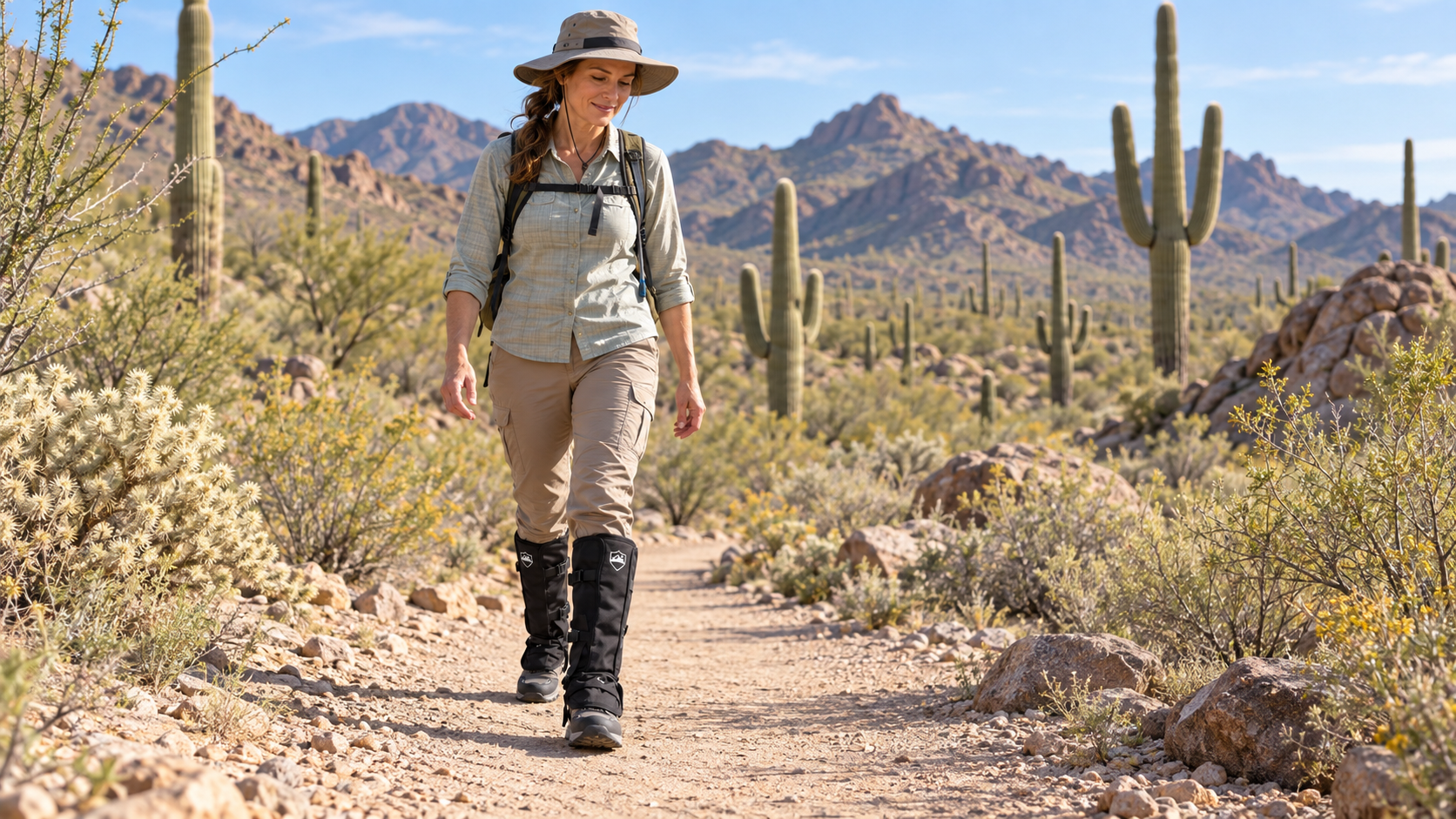
Saguaro hiking safety means planning for the desert as a whole: snakes, heat, water, and the route back to your vehicle. Snake gaiters may be part of your equipment, but they cannot replace a realistic day-hike plan or careful attention to the trail.
If you are visiting this Arizona park for the first time, start with the district and trail you intend to explore. Then work through the local considerations below before deciding what to wear and carry.
Choose Your District Before Planning the Hike
Saguaro National Park has two separate districts around Tucson: the Tucson Mountain District to the west and the Rincon Mountain District to the east. The National Park Service describes them as approximately 30 miles apart on its Saguaro trip-planning page.
That separation matters when you arrange a meeting place, choose a trailhead, or tell someone where you will be. “We are going to Saguaro” is not a complete itinerary.
- Write down the district and exact trailhead.
- Save the route map before leaving reliable internet access.
- Choose a turnaround time that includes the walk back.
- Keep a shorter alternative in mind if the conditions or your group’s pace change.
A useful planning note might read: “West district, named trailhead, planned route, expected return time.” Add the actual details rather than relying on a location pin with no explanation.
What Should You Know About Snakes at Saguaro?
The park reports six rattlesnake species, with rattlesnakes occurring from desert scrub to the higher forests of the Rincon Mountains. Moving to a higher-elevation route does not automatically remove the need for awareness.
The NPS guide to snakes at Saguaro also notes that a rattlesnake may not rattle during an encounter. Do not rely on hearing a warning before looking where you step.
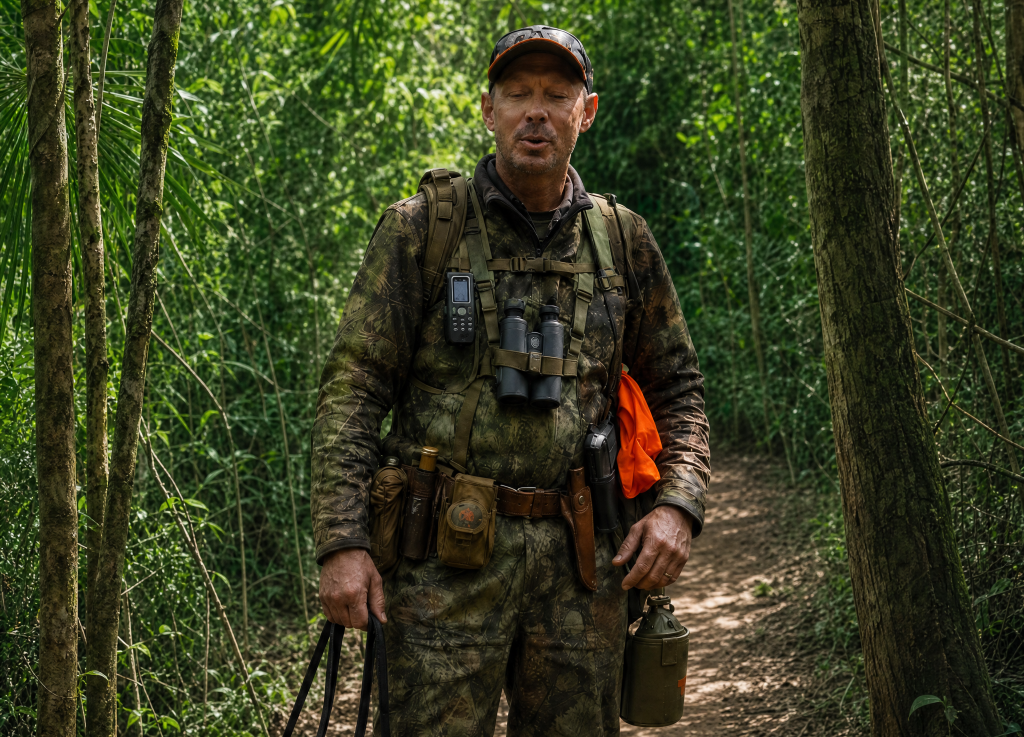
The park advises visitors to stay at least 10 feet from a rattlesnake, avoid disturbing it, and look before placing hands or feet in concealed spaces. If the available trail does not allow enough room, do not force a passage. For a fuller response plan, read what to do if you see a snake while hiking.
Build Saguaro Hiking Safety Around Heat and Water
Snake awareness should not push water planning into the background. Saguaro’s official hiking safety guidance advises avoiding the intense summer heat between 10 a.m. and 4 p.m. and turning back when half your water supply is gone.
These are planning prompts, not a guarantee that any other time or water amount will suit your hike. Check the forecast and consider the entire outing, especially an uphill or exposed return.
Ask a practical question before starting: if we reach our turnaround point more slowly than expected, does the return still work? Choose a shorter outing when the answer is uncertain.
For clothing considerations beyond this destination, our guide to wearing snake gaiters in hot weather discusses comfort and preparation.
Plan Refills and Communication Before the Trailhead
According to the park’s visitor preparation information, water fountains are at the two visitor centers, and cell reception can be unreliable in both districts. Do not assume that the next trail junction will offer a refill or a usable signal.
Fill your containers before the hike and carry the supplies your chosen route requires. Make transportation arrangements ahead of time if someone is collecting you afterward.
Give your contact enough information to understand a delay: your route, expected return, and agreed next step if you do not check in. A message saying “back later” leaves too much unresolved.
Where Snake Gaiters Fit Into Your Desert Setup
Start with footwear that suits your route and clothing you can move in comfortably. Then evaluate additional lower-leg coverage. Ordinary hiking gaiters and snake gaiters are not interchangeable simply because both cover part of the leg.
Review the intended use, sizing, and supporting information for the specific model. No gaiter guarantees protection from every bite, and wearing one does not justify approaching wildlife.
Try the Complete Outfit Before Traveling
Use the pants, socks, and boots you plan to bring. Fit your gaiters according to their instructions, then walk, bend your knees, and step onto a low stair. Notice rubbing, shifting, or clothing that bunches under a closure.
Do this while you still have time to change your setup. A rushed adjustment in a parking area is a poor substitute for discovering that a different pair of pants or boots changes the fit.
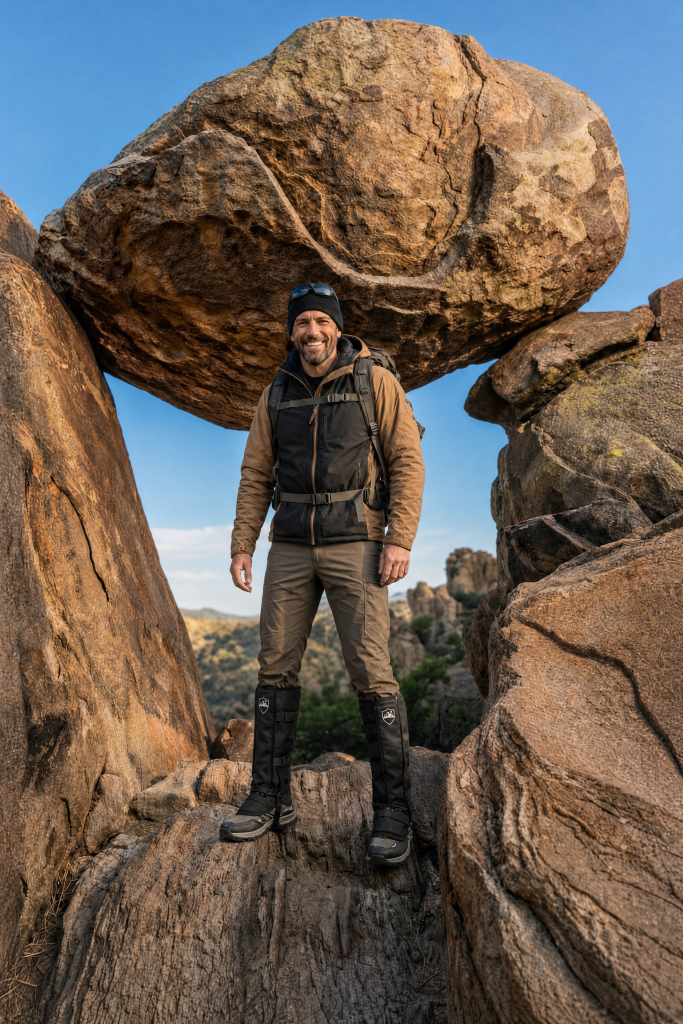
You can review AVENTURIX Snake Gaiters and their product details when comparing options. Assess them as one component of your hiking equipment, alongside the demands of your route.
Leave Room to Change the Plan
A desert itinerary should allow for more than the conditions you hoped to find. The park warns against entering washes and canyons when thunderstorms occur nearby or upstream. If weather changes the route’s suitability, change the outing rather than treating your original plan as a commitment.
At the trailhead, make the decision explicit: Is the route still appropriate? Is everyone comfortable with the equipment? Do you have enough time and supplies for the return? Completing a shorter walk is a reasonable outcome.
Saguaro hiking safety works best when local information shapes the plan before you start. If additional lower-leg coverage belongs in that plan, use the button below to explore AVENTURIX Snake Gaiters on Amazon and review the product information before your trip.