Wearing snake gaiters in hot weather means considering more than lower-leg coverage. Your clothing, pace, time outdoors, and access to a cool resting place all affect how manageable the outing will be. Start with a setup that fits correctly, then build a plan that allows you to shorten, postpone, or stop the activity when conditions demand it.
This guide covers practical comfort checks and warm-weather planning without assuming that every gaiter has the same materials, ventilation, or temperature limits.
Why extra coverage deserves extra planning
Protective clothing can affect how the body releases heat. NIOSH guidance on protective equipment and heat explains that some clothing combinations hold heat and moisture and add to the effort of physical work.
That is general guidance about protective equipment, not a measured heat rating for any particular snake gaiter. The practical lesson is to assess your complete outfit and activity rather than assume that one item determines your comfort.
A brief walk near home and several hours of strenuous outdoor work are different situations. A setup that feels acceptable during the first few minutes may still need a shorter outing or more opportunities to cool down.
Check your clothing under snake gaiters in hot weather
Begin with the pants, socks, and footwear you actually intend to wear. Avoid unnecessary layers, but keep clothing appropriate to the activity and follow your gaiter manufacturer’s fitting instructions.
Look for bulky seams, folded cuffs, or pocket contents that press against the gaiter. A phone or set of keys in a lower cargo pocket can change the fit even when the pants themselves are suitable.
Make one adjustment at a time. For example, remove an item from a pocket or smooth a fabric fold, then walk again. This helps distinguish a clothing problem from a size or positioning problem.
Do not assume that changing to shorts is an equivalent setup. Shorts leave the area above the gaiter exposed and may change how the garment sits against your skin. Check the intended clothing arrangement for your model.
Check movement without turning it into an endurance test
Try the full setup in comfortable conditions before a demanding outing. Walk, step up, sit down, and bend your knees. Notice rubbing, slipping, or a top edge that interferes with movement.
Use our snake gaiter fit and adjustment guide for the detailed fitting process. The purpose here is to find obvious comfort problems, not to test how much heat you can tolerate.
- Keep closures and any required overlap positioned as instructed.
- Do not leave protective sections open while moving through the area where you intend to rely on them.
- Do not cut ventilation holes, fold protective panels, or remove components to create airflow.
- If correct fitting remains uncomfortable, reconsider the size, model, or outing.
Comfort adjustments should work within the product’s intended design. If they cannot, changing the plan is more useful than repeatedly tightening and loosening the equipment.
Plan the hottest part of the outing first
The National Park Service’s heat-planning guidance recommends checking forecasts and alerts, choosing cooler activity periods, and keeping an alternative plan for excessive heat.
Apply that advice to the whole outing, including the return. An early start offers little planning benefit if the hardest climb back to the vehicle falls during the hottest conditions.
For a yard task, consider whether the work can be divided into shorter sessions. For a hike, identify where you could turn around before committing to a longer exposed section. These are planning options, not guarantees that conditions will be suitable.
Our day-hike checklist for snake country covers the wider preparation, including navigation, supplies, and communication.
Make cooling breaks practical
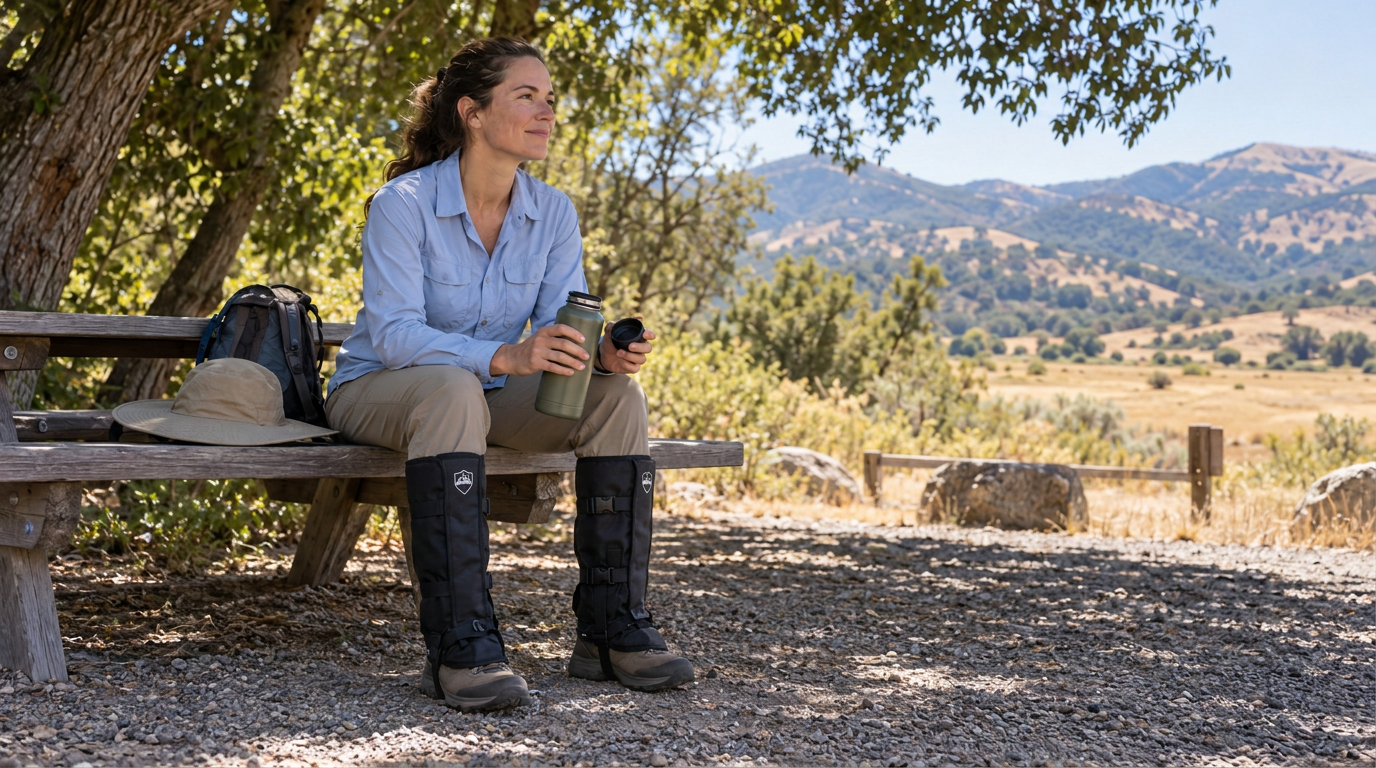
A planned break needs a location as well as a time. Know where you can rest in shade or a cooler environment and how you will access drinking water.
For outdoor work, OSHA’s water, rest, and shade guidance emphasizes accessible drinking water and recovery breaks in a cool location. Break needs increase as heat stress rises.
Consider the practical details before starting: Is the shaded area actually available? Is the water with you or back in a distant vehicle? Can you stop the task without feeling pressured to finish one more section?
If you remove gaiters during a routine break, choose an appropriate place away from the exposure that prompted you to wear them. Refit them according to their instructions before returning. This routine planning does not replace emergency cooling if someone becomes ill.
Match the problem to the next step
| What you notice | What to reconsider |
|---|---|
| A seam or clothing fold presses against your leg. | Stop and check the clothing underneath, positioning, and size. |
| The gaiters repeatedly slip or rotate. | Review the fit and approved attachments instead of overtightening. |
| The route has no realistic cooling or water access. | Choose a shorter option, another location, or another day. |
| You need to alter the protective construction to keep going. | Stop and reconsider the equipment and activity together. |
Recognize heat illness separately from gear discomfort
Headache, nausea, dizziness, and unusual weakness in hot conditions can be signs of heat exhaustion. Stop the activity, move to a cool place, and seek medical evaluation rather than treating these symptoms as a minor fit issue.
CDC/NIOSH guidance on heat-related illnesses identifies confusion, slurred speech, seizures, and loss of consciousness as possible signs of heat stroke. Call 911 immediately, begin cooling the person, and stay with them while help arrives.
Choose around your actual warm-weather routine
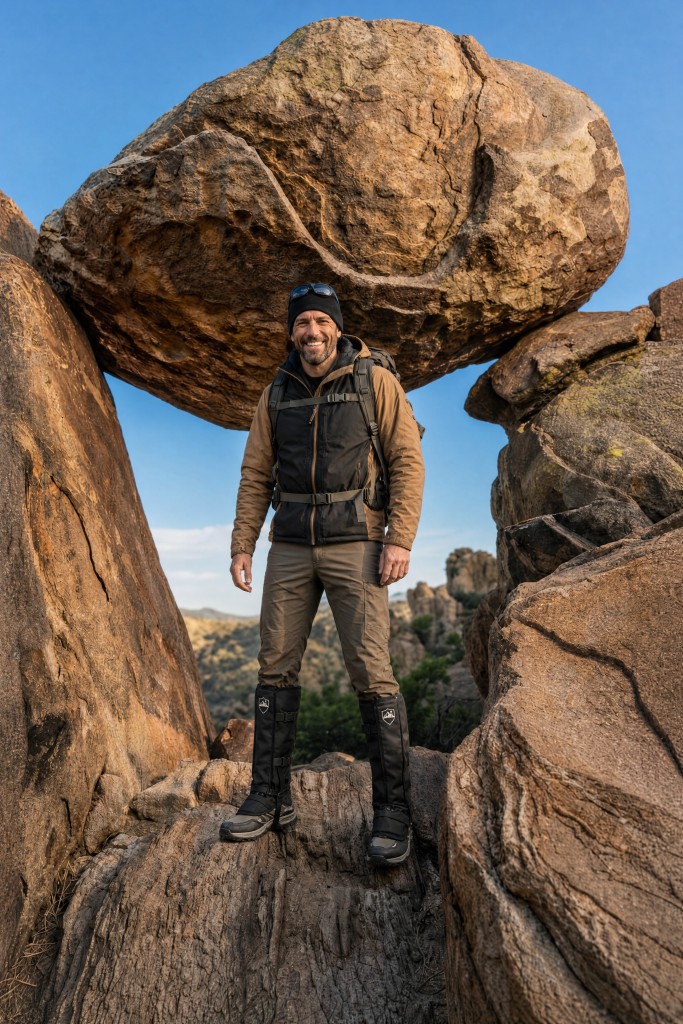
Snake gaiters in hot weather should be considered as part of the complete outing. A manageable plan combines suitable equipment, correct fitting, appropriate clothing, and the ability to stop or change course.
When comparing products, look for clear information about construction, sizing, and intended use. Do not treat descriptions such as “lightweight” or “comfortable” as a temperature rating. You can review the AVENTURIX Snake Gaiters product information alongside your own clothing and activity requirements.
If snake gaiters fit your warm-weather outdoor plans, use the button below to explore AVENTURIX Snake Gaiters on Amazon and review the product details before choosing your setup.