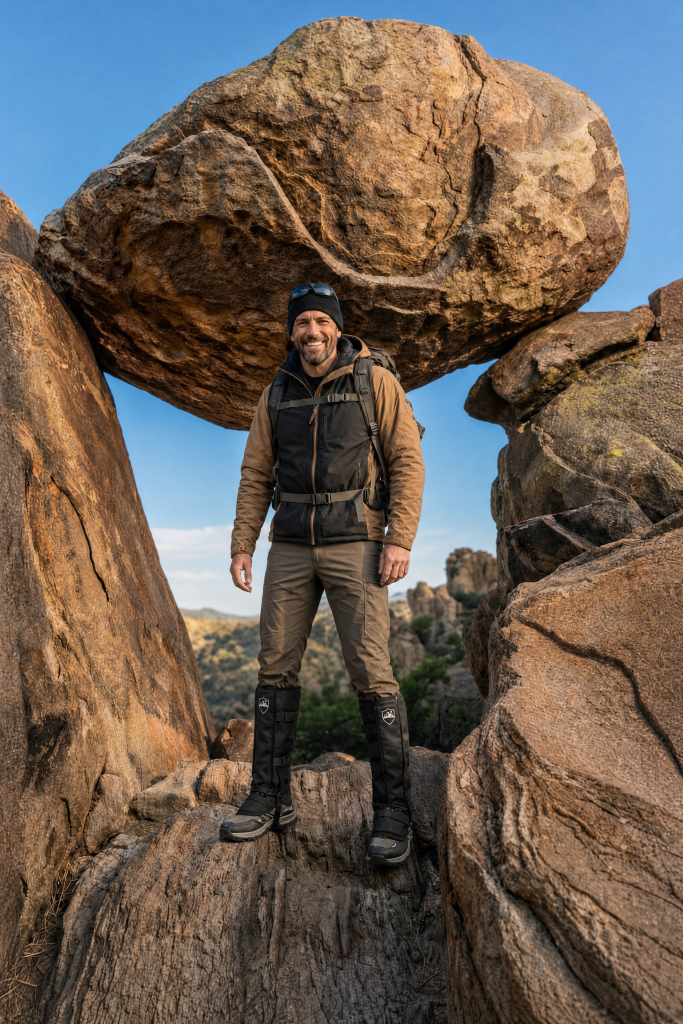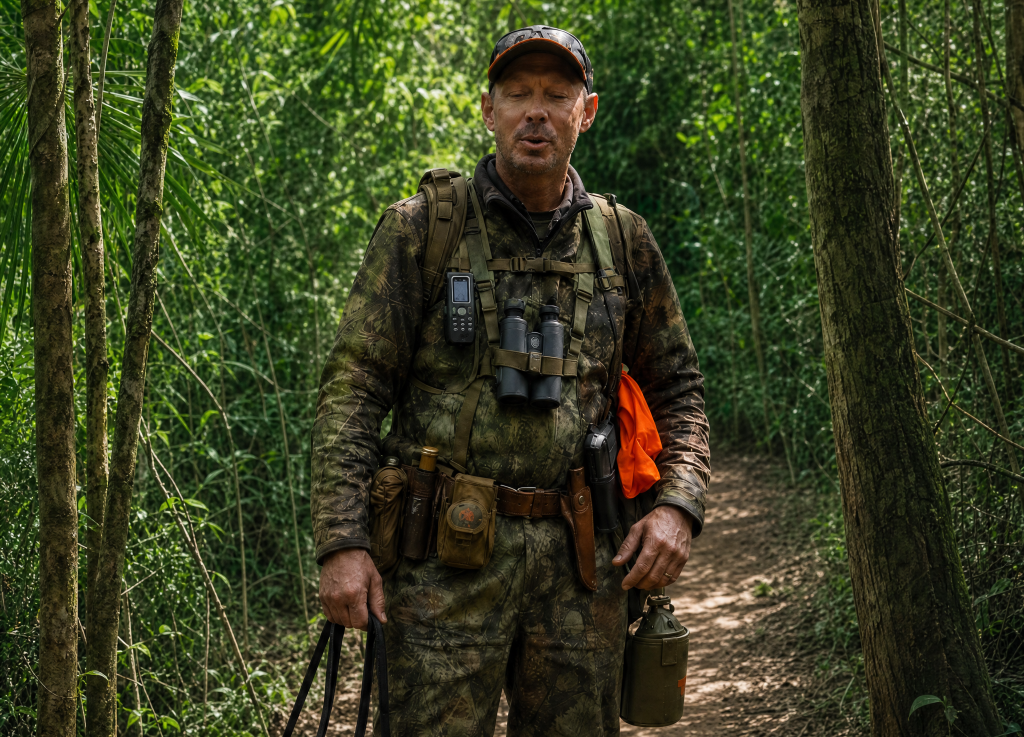
Fall snake safety starts with a simple adjustment: cooler weather does not mean you can stop watching the trail. Fallen leaves, changing temperatures, and extra clothing layers create different decisions from those you make on a summer hike. Before heading out, check local conditions, make sure you can see where you are stepping, and test your gear with the clothes you will actually wear.
This guide focuses on those autumn-specific choices, including when snake gaiters may belong in your setup.
Are Snakes Still Active in Fall?
They can be. Colorado Parks and Wildlife explains that prairie rattlesnakes bask on sunny or warm surfaces during spring and fall, sometimes using trails. Its prairie rattlesnake guidance is a useful reminder that a cool morning does not tell you everything about conditions later in the day.
That Colorado example is not a nationwide calendar. Species, location, elevation, and weather differ. Instead of assuming snake activity ends in a particular month, check your destination’s park or wildlife information.
For planning purposes, separate two questions: What weather should I prepare for, and what wildlife precautions apply here? A forecast helps you choose layers; it does not give you an all-clear to stop paying attention to your surroundings.
Make Fall Snake Safety Part of Your Footing Decisions
A trail covered in leaves deserves a slower look. You may have less information about the surface beneath your next step, especially where the path meets brush or a fallen branch.
The National Park Service specifically warns that loose, slick autumn leaves can cause slips in its Great Smoky Mountains hiking safety guidance. Snake awareness is only one part of choosing reliable footing.
- Follow the established trail instead of cutting through vegetation to shorten a switchback.
- Look before placing hands or feet around rocks and logs.
- Slow down where leaves obscure the trail surface.
- Choose a different route or turn back if you cannot judge the terrain comfortably.
Do not treat a gaiter as permission to push into ground you cannot assess. Coverage around your lower legs does not solve poor visibility or slippery footing.
Check Snake Gaiter Fit With Your Fall Layers
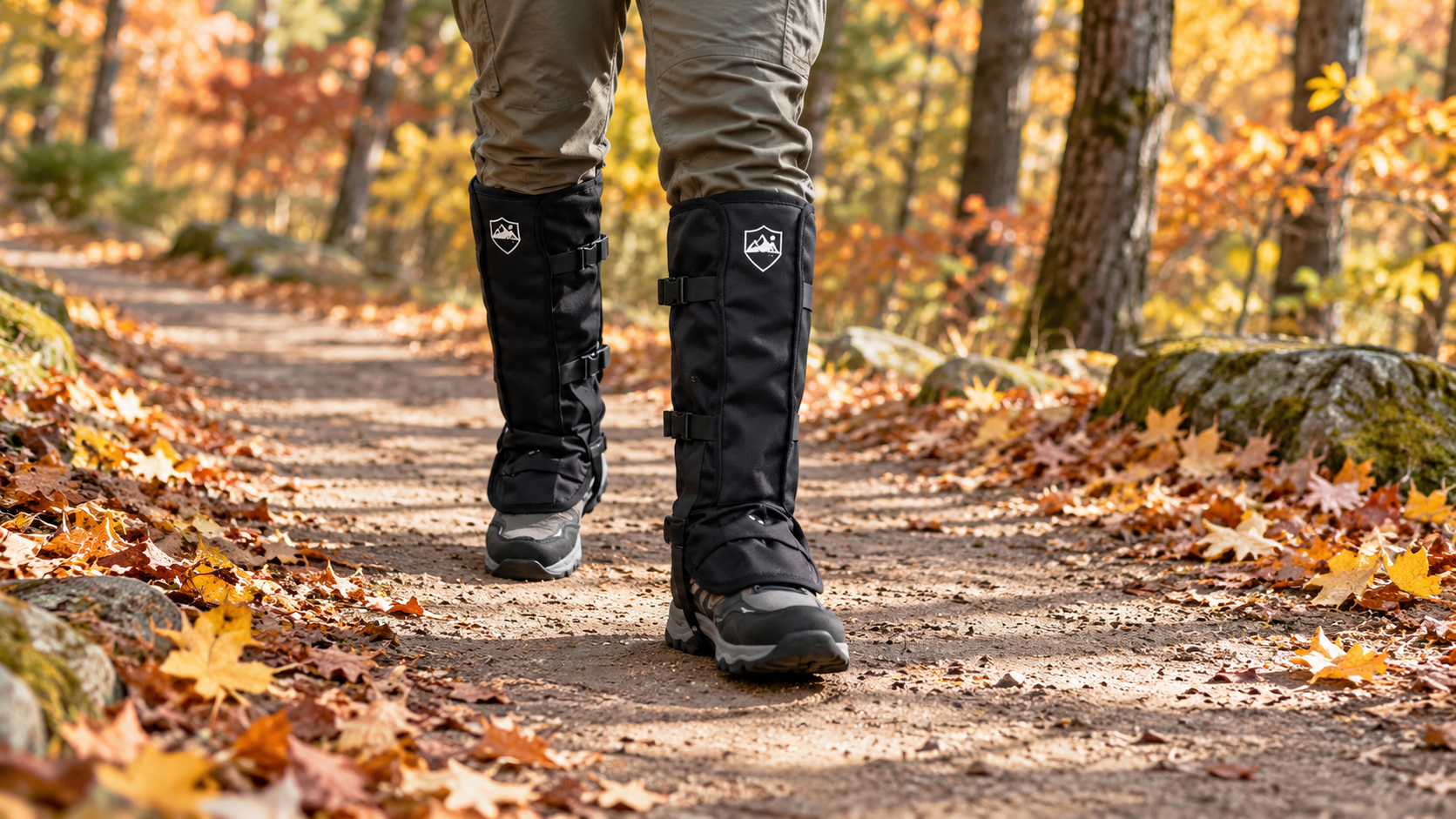
A setup that worked over lightweight summer pants may feel different over heavier clothing. Before the trip, put on your planned socks, pants, boots, and gaiters together. Follow the gaiter manufacturer’s fitting instructions.
Test Movement Before Leaving Home
Walk around, step onto a low stair, and bend your knees. Notice whether fabric bunches behind the leg, a closure presses uncomfortably, or the gaiter shifts as you move. Make adjustments before starting the hike, rather than discovering the problem several miles from the trailhead.
If you switch to bulkier boots for fall, check compatibility again. A different boot shape can change how the lower edge and attachment points sit. Do not assume an adjustment that worked with one pair will suit another.
Our snake gaiter fit and adjustment guide covers the broader fitting process.
Keep Coverage, Warmth, and Weather Protection Separate
Conventional hiking gaiters and products designed for snake protection serve different purposes. Likewise, a snake gaiter’s appearance does not establish that it is insulated or waterproof. Review the stated use, sizing, and limitations of the specific product.
Choose your cold-weather clothing and rain protection separately. No gaiter can guarantee protection from every bite or remove the need for careful route choices.
Leave Time for Slower Walking and Photo Stops
Autumn scenery can turn a short outing into a longer one. Build time for photographs and slower sections into your turnaround plan, and check sunset for your destination and date. Carry a working headlamp even when you expect to finish in daylight.
The NPS leaf-peeping safety advice recommends choosing a safe place to take photographs while staying aware of your surroundings. Stop before framing a shot; avoid stepping backward while looking through your phone.
For the rest of your packing and route preparation, use our hiking in snake country checklist.
Three Practical Fall Hiking Decisions
Your Morning Starts Cold, but the Afternoon Will Be Warmer
Pack layers you can adjust and keep checking the trail as conditions change. Do not let the temperature at the parking lot determine your awareness for the entire outing.
You Add Rain Pants During the Hike
Stop somewhere stable and visible to change your setup. Check the manufacturer’s instructions for compatibility with your gaiters, then confirm that the new layer does not interfere with closures or comfortable movement.
The Return Trip Takes Longer Than Expected
Reassess your timing before visibility becomes a problem. A shorter route can be a better choice than rushing across a leaf-covered section to make up time. Keep your light accessible instead of buried underneath spare clothing.
What If a Snake Is on the Trail?
Give it space and move back calmly. Do not try to handle, move, or provoke it to clear your route. For a fuller response plan, read what to do if you see a snake while hiking.
Good fall snake safety comes from matching your pace, preparation, and equipment to the conditions you actually encounter. If you are considering lower-leg coverage for your route, review AVENTURIX Snake Gaiters and product details as part of that decision.
Use the button below to explore AVENTURIX Snake Gaiters on Amazon and review the product information before your next trip.