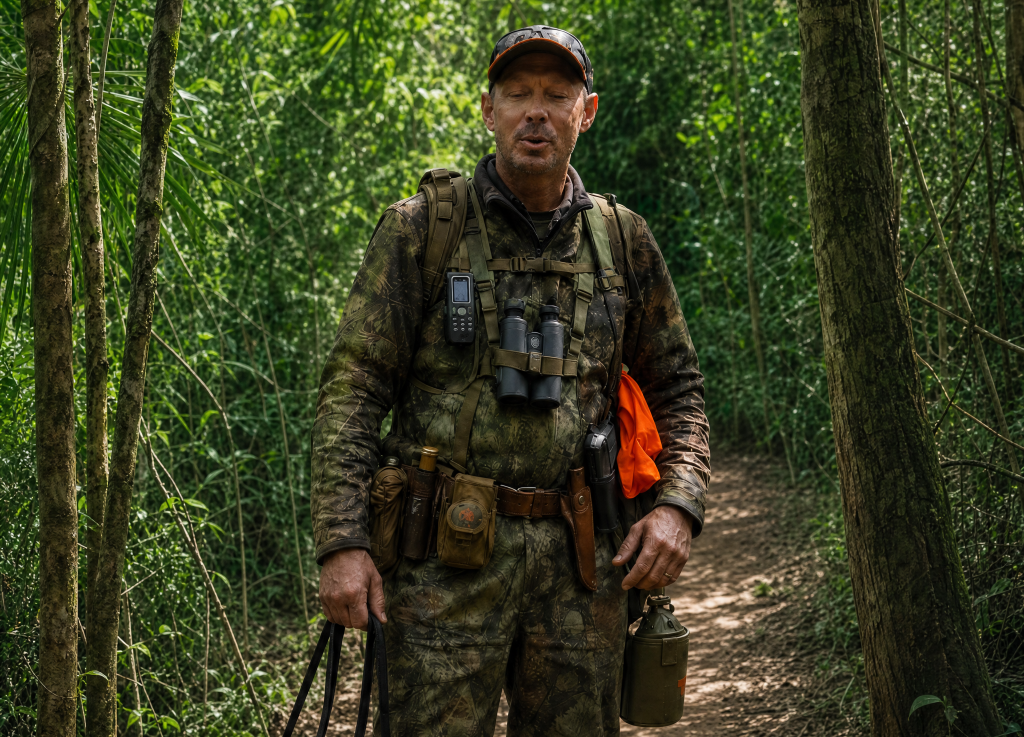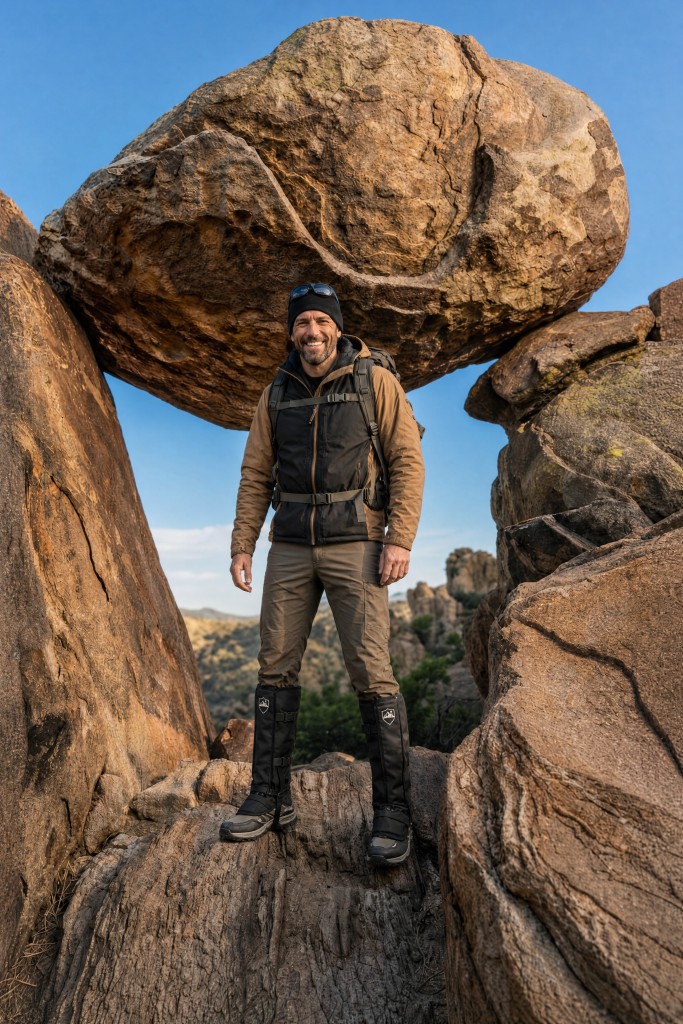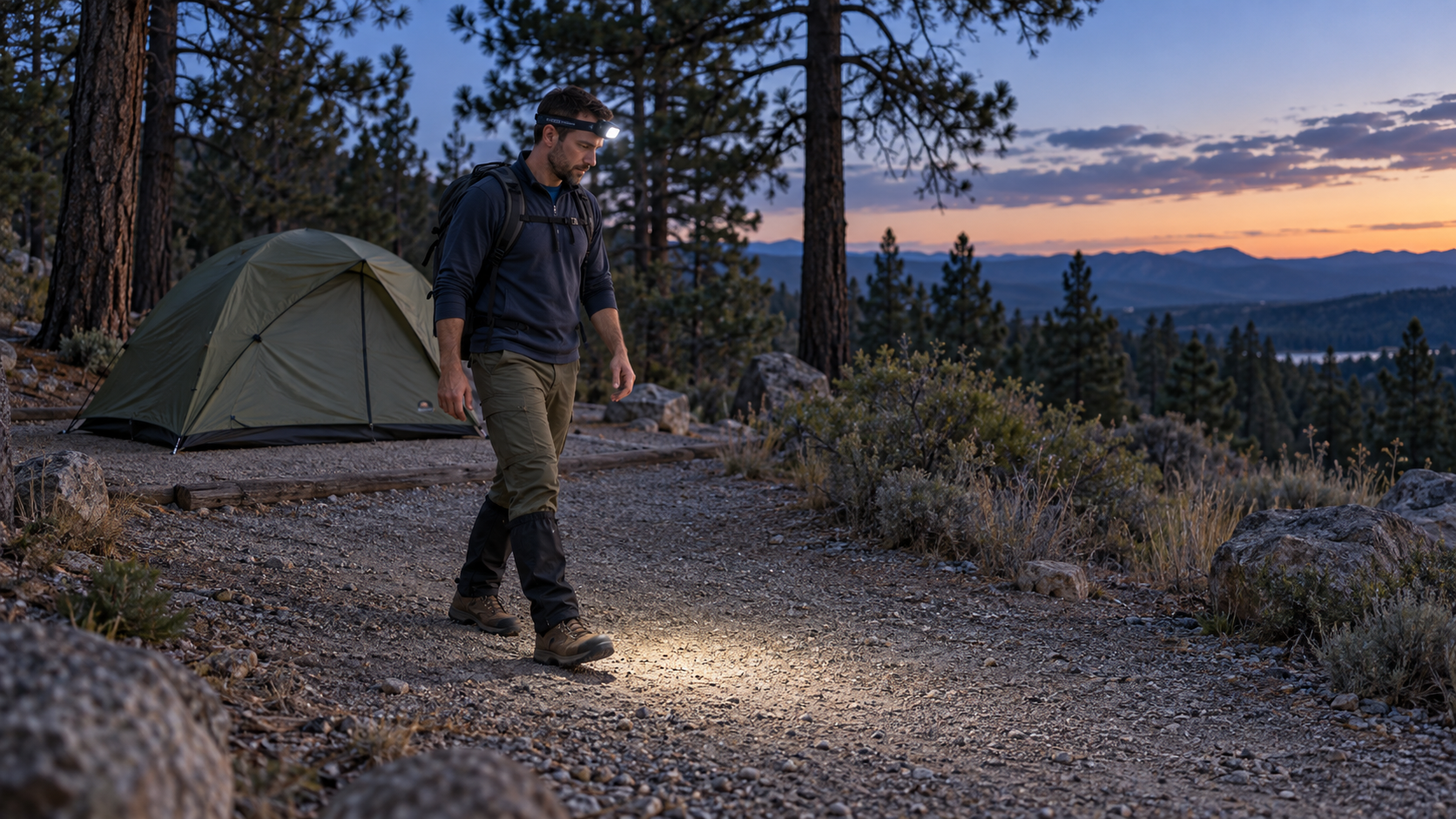
Snake safety while camping starts with a few practical habits: choose a campsite where you can see the ground, check before placing your hands or feet, and use a light when moving around after dark. Footwear and lower-leg equipment are part of that preparation, alongside how you arrange and use your camp.
A weekend at a developed campground and an overnight trip reached through brush call for different gear decisions. This guide focuses on the campsite itself: setting up your tent, keeping equipment organized, planning nighttime walks, and deciding whether snake gaiters belong in your kit.
Check local conditions before setting up camp
Read your destination’s current alerts and ask a ranger or campground host about wildlife concerns and campsite conditions. A general packing list cannot tell you what is happening beside your assigned tent pad or along the path to the restroom.
Try to arrive with enough daylight to understand the layout. Locate the restroom, water supply, food-storage facilities, and route back to your vehicle. Save the campground name, site number, and emergency contact information somewhere you can access without a signal.
If you will also hike away from camp, use our day-hike checklist for snake country to plan that separate part of the trip.
Snake safety while camping starts with a visible tent area
Use designated campsites and tent pads where required. Within the permitted area, look for a setup that lets you see where you will stand, kneel, and walk. Position the tent entrance toward an open part of the site instead of immediately against thick vegetation.
Check the ground before kneeling to place stakes or reaching behind a rock. Keep hands out of holes and concealed spaces. Do not move logs, dismantle rock piles, or clear vegetation to create your preferred layout; choose another permitted position or ask the host for help.
A tidy tent pad does not make an area snake-free. Its practical advantage is visibility: you can inspect the space before using it.
Make checking tents, boots, and loose gear a routine
Close the tent’s inner door after entering or leaving, including the mesh door when ventilating. Check that the zipper closes properly before your trip. Leaving the entrance open while you organize bedding defeats the purpose of having a closed sleeping space.
California’s wildlife agency includes checking tents and sleeping bags in its rattlesnake safety guidance. Build that check into setup, especially if bedding or equipment has been left outside.
- Look inside footwear before putting it on; use a light if you cannot see clearly.
- Close packs and storage bags instead of leaving their openings on the ground.
- Keep loose clothing organized so you can inspect it before use.
- If you see a snake in or beneath equipment, step away rather than shaking, grabbing, or moving the item.
Plan short nighttime walks before sunset
A trip to the restroom still deserves footwear and a light. Keep your headlamp where you can reach it before leaving the tent, and check its charge or batteries during setup. Aim the light along your route and around your next step.
Colorado Parks and Wildlife’s rattlesnake guidance specifically recommends boots and a light for early or late activity, including around camp. Use established paths and avoid shortcuts through vegetation when visibility is limited.
For example, filling water bottles before dark can remove one unnecessary walk later. If someone needs to go out, make sure they have their own working light rather than following another person’s beam several steps ahead.
Keep food storage separate from sleeping gear
Follow the campground’s food-storage requirements, including any rules for lockers or approved containers. Clean up scraps and packaging, and keep food out of the tent. The National Park Service’s camping guidance explains these habits as ways to reduce unwanted wildlife attention.
Build cleanup into the meal: put food away, deal with waste as required, then settle in for the evening. This is general wildlife management, not a promise that a clean campsite will exclude snakes.
When do snake gaiters make sense for camping?
Assess the walking involved in your trip, rather than buying equipment simply because you will sleep outdoors. Consider the approach to camp, planned fishing access, and any other routes through areas where snakes may be present.
| Part of the trip | Question to ask | Practical next step |
|---|---|---|
| Developed campground with established paths | What local conditions or wildlife concerns has the host identified? | Plan footwear, lighting, and routes around that information. |
| Walk-in campsite reached through rough vegetation | Can you choose a clearer route, and what lower-leg coverage suits the remaining exposure? | Review purpose-designed snake gaiters alongside route options. |
| Fishing or hiking from a base camp | Does that outing require different equipment from moving around the tent? | Prepare for the outing separately instead of judging it by campsite conditions. |
Ordinary hiking gaiters designed for debris or weather should not be assumed to provide snake-bite protection. For products marketed as snake gaiters, check the stated coverage, sizing, footwear compatibility, and available testing information. Our guide to choosing snake gaiters explains those decisions.
Lower-leg coverage leaves other areas exposed, including your hands. It does not make reaching under logs or approaching a snake safe, and no gaiter can guarantee protection from every bite. Use the manufacturer’s fitting instructions and check the fit with the footwear you actually plan to wear.
If this type of equipment fits your plans, review the available product information on the AVENTURIX Snake Gaiters page before deciding.
What if a snake enters your campsite?
Stop approaching it, move back carefully, and give it room. Keep other campers and pets away. Do not try to catch it, push it with a trekking pole, or remove it from beneath your equipment.
Great Basin National Park advises contacting a ranger when a rattlesnake is in your campsite. At a staffed campground, report the location and follow staff instructions. If it is beside your tent entrance, stay away rather than trying to squeeze past it to retrieve gear.
Our guide to responding to a snake encounter outdoors covers the basic response in more detail. If anyone is bitten, call 911 and seek emergency medical care immediately.
Prepare your camp around the way you will use it
Good snake safety while camping is a routine you can follow when you are tired: a visible route out of the tent, accessible lighting, checked footwear, organized gear, and space for wildlife to move away. Match any additional equipment to your destination and planned activities.
If your camping trip includes routes where you are considering additional lower-leg coverage, use the button below to explore AVENTURIX Snake Gaiters on Amazon and review the product details before your trip.