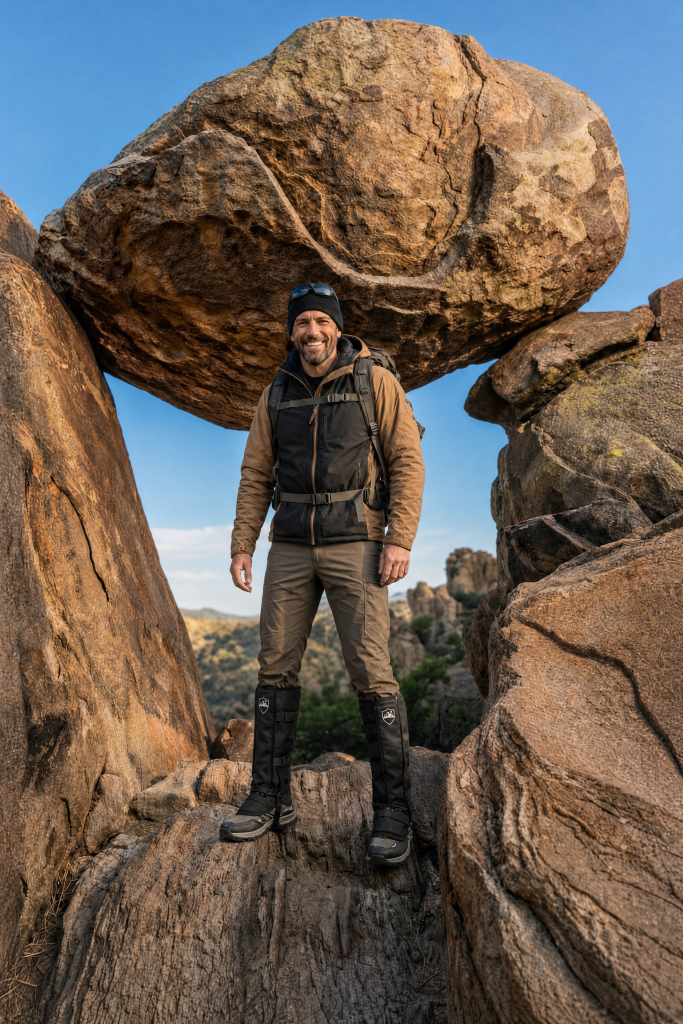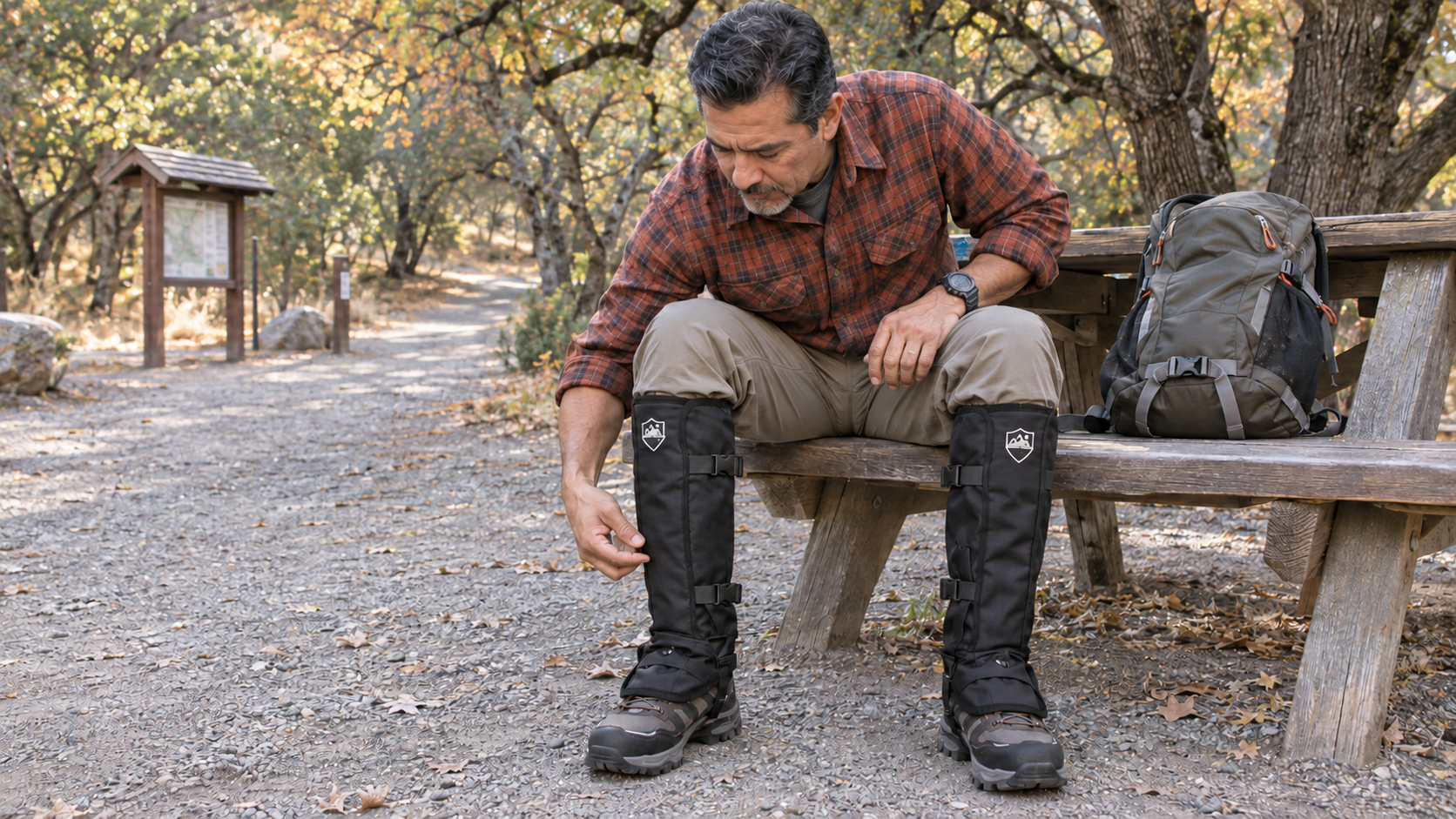
A snake gaiter inspection helps you spot damaged fabric, worn attachments, and closures that need attention before you head outdoors. Check both gaiters before a hike, a hunt, or a day on your property. If you find damage or a component that no longer works as intended, set the pair aside and ask the manufacturer what to do next.
This guide covers a practical visual and functional check. Follow the instructions for your specific model, and remember that an inspection cannot certify bite resistance or guarantee protection.
Before You Check Your Gaiters
Choose a well-lit, clear space where you can examine the entire pair. A table at home gives you time to resolve a problem before you reach the trailhead or start a job.
Have the product instructions nearby. Open the closures as directed so you can see accessible surfaces, seams, and attachment points. Do not cut stitching, remove sealed layers, or dismantle protective sections to look inside.
Check new equipment when it arrives, too. Confirm that the required components are present and that the instructions match the model you received. If you borrowed the gaiters, ask about previous damage, repairs, or unusual exposure before relying on them.
Snake Gaiter Inspection Checklist: Five Areas to Check
OSHA’s guide to personal protective equipment recommends checking protective footwear and leggings for problems such as holes, material separation, and broken fastenings. The checklist below applies that general inspection approach to the components found on many snake gaiters.
| Area | What to look for | Next step if something looks wrong |
|---|---|---|
| Outer panels | Cuts, holes, exposed inner material, or a new change in shape. | Stop using the affected gaiter and ask the manufacturer to assess the damage. |
| Seams and edges | Open seams, separating layers, or stitching pulling away at an attachment. | Photograph the area before attempting any repair. |
| Straps and webbing | Cuts, substantial fraying, detached ends, or damaged attachment points. | Ask whether an approved replacement is available for that component. |
| Buckles and closures | Cracks, missing pieces, trapped material, or a closure that will not engage normally. | Follow the care instructions for debris removal; stop if the closure remains unreliable. |
| Boot attachments, when supplied | A damaged lace hook, worn under-boot strap, or loose connection to the gaiter. | Resolve the problem before using the gaiter with that footwear. |
Operate closures normally rather than pulling hard to see what they can withstand. Once the equipment check is complete, put the gaiters on with your intended clothing and boots. Our snake gaiter fit and adjustment guide covers the separate movement and positioning check.
When to Stop Using Damaged Snake Gaiters
A buckle that opens during ordinary movement, a torn strap attachment, or an opening in a panel needs attention before another outing. Do not compensate by overtightening other straps or tying the damaged part together.
For example, if an under-boot strap catches on a rock, pause somewhere clear and examine the strap and its attachment points. A snake gaiter inspection at that point can reveal an issue that was not present when you left home.
Dust and surface marks do not tell you how much protective performance remains. If you cannot tell whether a mark is superficial or involves damage, ask the manufacturer rather than deciding from appearance alone.
Set questionable equipment apart from the gear you have prepared for your next trip. A simple note describing the issue helps prevent someone else from picking it up without knowing why you stopped using it.
Snake Gaiter Care: Follow the Label
REI’s gaiter care guidance highlights checking closures and the instep strap after use, reading care labels, and avoiding storage while wet. That article covers conventional outdoor gaiters; it is not a cleaning specification for every snake-protection design.
Use the cleaning and drying method approved for your particular pair. If the instructions are missing, ask before choosing a machine-wash cycle, detergent, heat setting, or fabric treatment.
After the approved cleaning and drying process, inspect the areas that dirt previously covered. Keep the care instructions with your gear so the next person handling it does not have to guess.
Questions to Ask Before Repairing or Replacing Gaiters
Send a clear description of the problem, the model name, and photographs showing both the whole gaiter and the affected area. Include when you noticed the issue and any known snag, impact, or exposure associated with it.
- Should this pair stay out of use while the problem is assessed?
- Is the affected component replaceable on this model?
- Does the manufacturer provide an approved part and installation procedure?
- Does the damage require replacement of the gaiter?
- Are there stated service-life or retirement instructions for this model?
A repair that restores appearance does not, by itself, establish protective performance. Get model-specific guidance before patching, resewing, gluing, or replacing components.
If replacement is recommended, use our guide to choosing snake gaiters to review coverage, fit, and supporting product information before ordering.
What a Snake Gaiter Inspection Cannot Tell You
A visual check can identify obvious problems. It cannot measure remaining puncture resistance, reveal every hidden defect, or determine how the equipment will perform in a future encounter.
Do not use needles, knives, or a live snake to test the gaiters yourself. Our guide to snake gaiter testing explains what documented test results can establish and why those results need context.
If You Suspect a Snake Bite
Prioritize medical help over examining the equipment. Call 911 or activate your emergency communication device and follow responders’ instructions. Wearing gaiters does not rule out a bite.
CDC/NIOSH snakebite guidance advises seeking emergency care without waiting for symptoms and not driving yourself to the hospital. Do not try to capture the snake.
Build the Check Into Your Next Outing
Make snake gaiter inspection part of packing your gear and checking it after use. Look for changes, resolve unreliable fastenings, and keep a record of questions that need the manufacturer’s answer.
For information about our model, review the AVENTURIX Snake Gaiters product page alongside the instructions supplied with your pair.
If you are choosing a first pair or replacing equipment that is no longer suitable for use, use the button below to explore AVENTURIX Snake Gaiters on Amazon and review the current product details.