Snake safety after flooding starts before you pick up the first branch. Follow local instructions about returning to the area, stay out of floodwater, and assess whether the cleanup is something you can handle. Protective clothing cannot make an unstable or contaminated site safe.
For homeowners and people maintaining rural property, the practical questions are where to walk, what to leave alone, and which equipment the remaining work requires. Use this guide to plan outdoor cleanup once access is permitted, not to enter an active flood or carry out rescue work.
Why a Familiar Yard Needs a Fresh Look
The CDC’s guidance on animals after a disaster explains that snakes can be displaced from their usual habitat and shelter beneath debris or other objects. Some may also enter buildings.
That makes yesterday’s layout a poor guide to today’s conditions. A clear fence line may now contain fallen material, and a familiar path may no longer offer a usable way through. Do not assume a spot is clear because you worked there before the storm.
Snake Safety After Flooding Starts With Access
Check local emergency-management and utility updates before returning. From an accessible, clear position, assess the route to the work area. If you cannot reach it without entering water, crossing unstable debris, or approaching a damaged structure, postpone that task.
The CDC’s post-disaster safety guidance advises staying out of floodwater and away from damaged structures until they have been assessed. Fallen power lines must also be left alone.
| What you find | Next step |
|---|---|
| Water covering the access route | Stay out and choose a different task. Gaiters or boots do not establish that the water is safe. |
| A fallen wire or damaged utility equipment | Keep away and report it to the utility or emergency authorities. |
| An unstable shed, fence, or hanging branch | Keep people out of the affected area and arrange qualified help. |
| A snake beside or beneath debris | Stop nearby work, back away, and leave the animal alone. |
Make a short list of tasks you can postpone. Clearing a visible, accessible section of your property is a separate decision from entering a damaged outbuilding or moving a large fallen tree.
Keep Hands and Feet Out of Hidden Spaces
A lower-leg barrier does not protect your hands when you reach under a board, into a container, or behind stacked material. Do not use your boot to investigate a covered space, either.
Approach each manageable task with a clear view of where your hands and feet will go. Avoid climbing onto piles of wood or reaching into vegetation you cannot inspect. If debris is too tangled, heavy, or unstable to assess, leave it for a properly equipped service.
Gloves and tools are part of an appropriate work setup; neither should be used to grab, prod, or move a snake. Keep children, pets, and unnecessary bystanders away from the cleanup area.
Once storm-related hazards have been resolved, our guide to snake gaiters for routine yard work covers planning ordinary gardening and property-maintenance tasks.
Where Snake Gaiters Fit Into Cleanup Gear
OSHA’s hurricane-recovery guidance includes snake boots or snake gaiters among possible additional protection where snakes occur. It also treats chainsaw leg protection as a separate requirement. That general guidance is not an endorsement of a particular product or permission to enter hazardous areas.
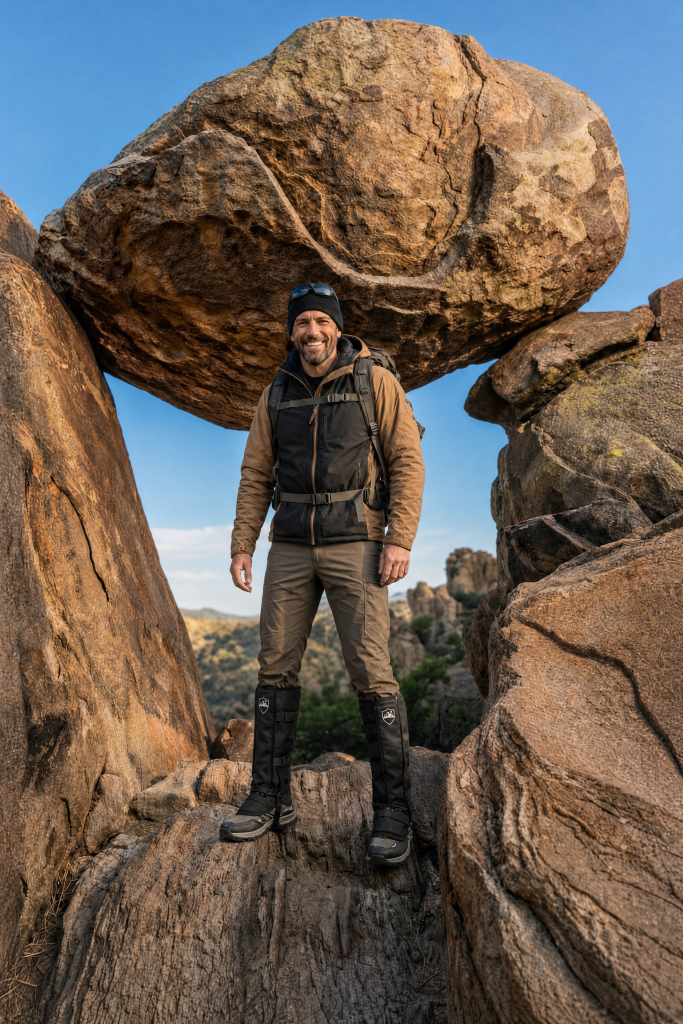
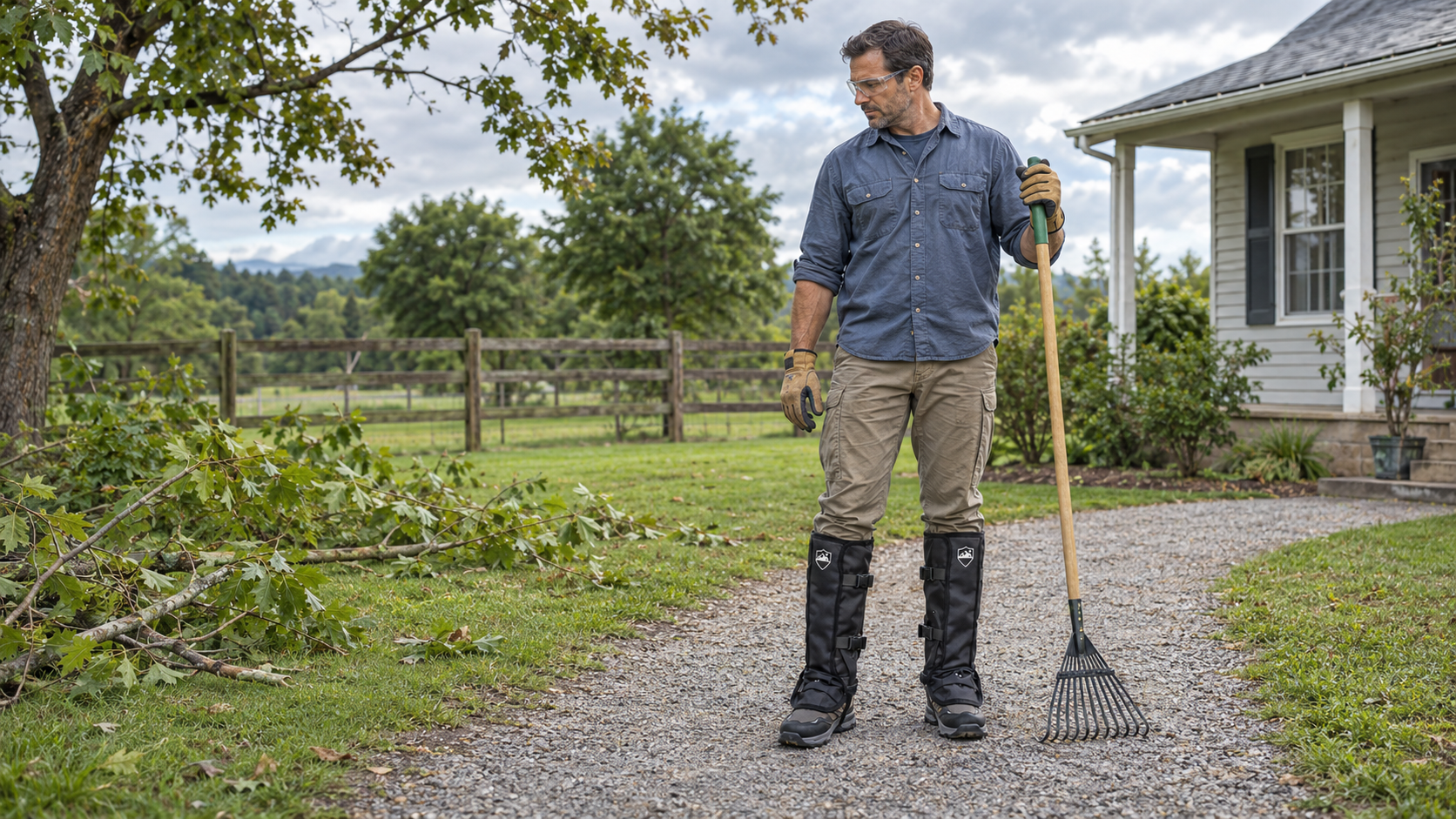
Choose equipment for the actual task. Snake gaiters focus on specified areas of the lower leg; they do not cover every part of your body or remove the risk of a bite.
- Footwear: assess traction, toe protection, and sole protection separately. A gaiter does not change the protective rating of the boot underneath.
- Hands and eyes: select gloves and eye protection for the materials and exposure involved.
- Water and contamination: do not assume a snake gaiter provides a watertight or chemical-resistant barrier.
- Powered equipment: follow the tool manufacturer’s instructions and required protective-equipment specifications.
Our explanation of snake gaiters and waterproofing covers why these are different product claims. If you are working as part of a crew, follow the site’s safety plan and equipment requirements.
Work in Small, Manageable Sections
The CDC’s disaster-cleanup guidance recommends working with others, getting help with heavy objects, and pacing yourself. Decide who is doing each task and how to contact help before starting.
For example, sorting accessible hand tools and arranging professional removal of a damaged tree can happen on different schedules. You do not need to finish the most difficult job first simply because it is the most visible.
Keep a clear exit route and choose a clean place for drinking water and breaks. Reassess the plan when fatigue, reduced visibility, or a newly discovered hazard changes the job.
If You Find a Snake During Cleanup
For snake safety after flooding, make stopping work an agreed part of the plan. Back away slowly, alert anyone nearby, and leave room for the animal to move away. Do not catch, corner, or kill it to continue the task.
If a snake is inside your home, CDC recommends contacting your county animal-control agency. When a snake prevents access to an outdoor work area, ask the appropriate local wildlife or animal-control service for guidance rather than attempting removal yourself.
If Someone Is Bitten
Call 911 and seek emergency medical care immediately. Do not wait for symptoms, drive yourself to the hospital, or try to capture the snake.
The CDC/NIOSH snakebite guidance advises against tourniquets, cutting the wound, sucking out venom, or applying ice. Keep the person still and follow emergency responders’ instructions.
Before Putting Your Gear Back Into Use
After ordinary use, follow the cleaning and inspection instructions for each item. If equipment has contacted floodwater, sewage, or an unknown substance, do not assume that a quick rinse makes it suitable to wear again. Ask the manufacturer about appropriate handling, decontamination, or replacement.
Our snake gaiter inspection checklist helps identify visible wear and damaged attachments. A visual check cannot establish that contaminated equipment is safe or that its protective performance is unchanged.
Good snake safety after flooding combines a realistic cleanup plan with suitable equipment and clear reasons to stop. For future work on accessible ground, review the AVENTURIX Snake Gaiters product details and consider their coverage, fit, and limitations alongside the rest of your gear.
When you are preparing for routine outdoor work after the recovery hazards have been resolved, use the button below to explore AVENTURIX Snake Gaiters on Amazon and check whether the model suits your needs.