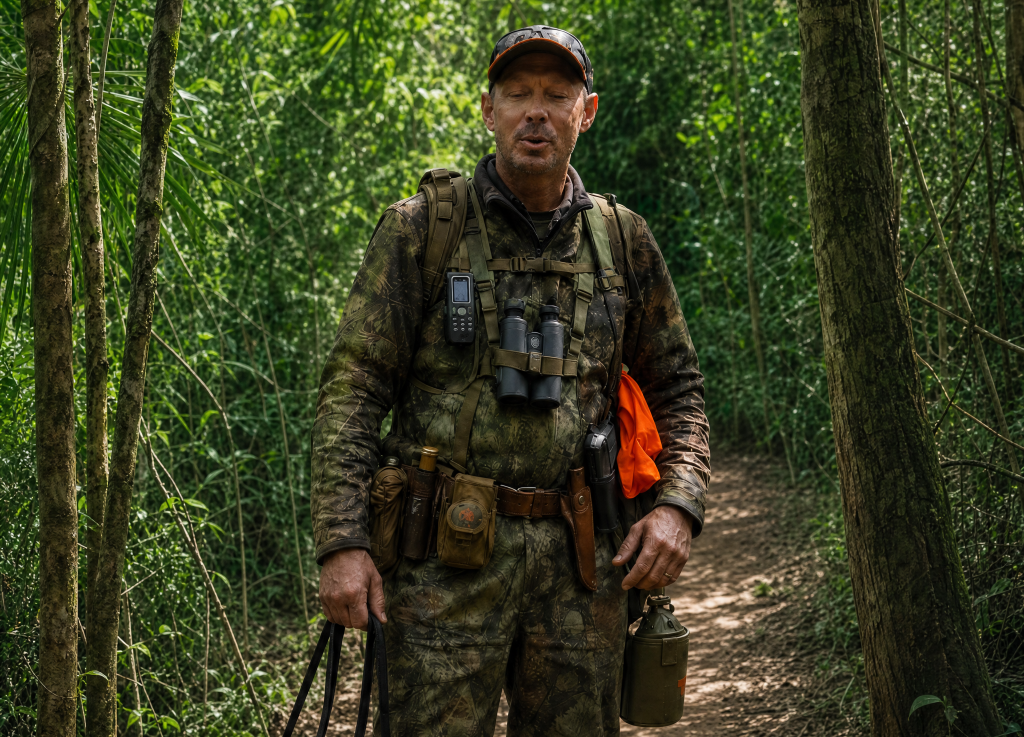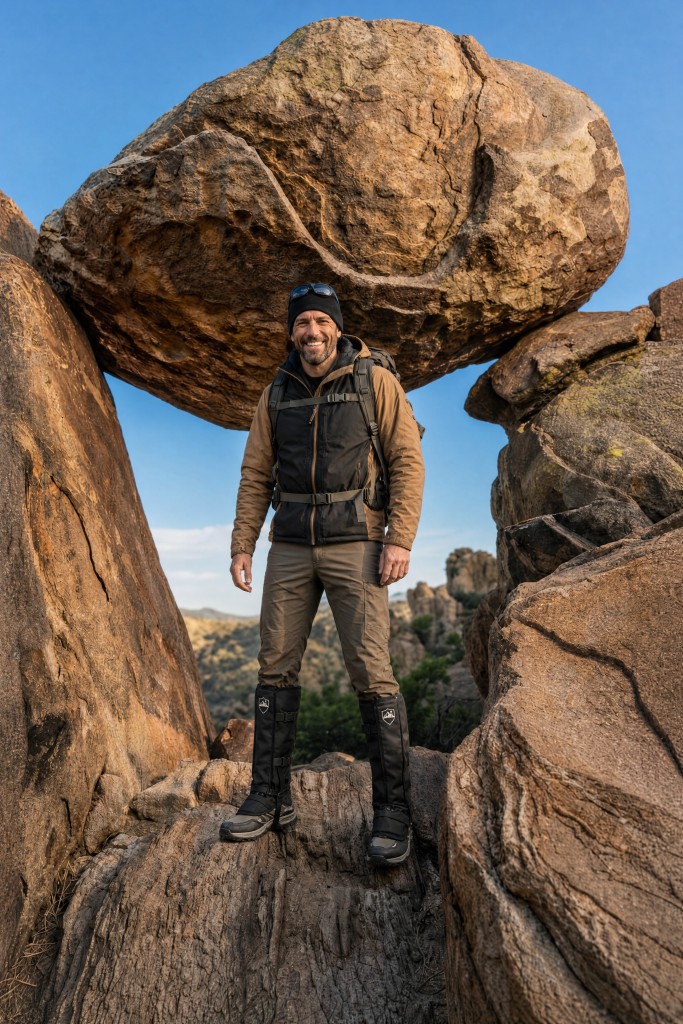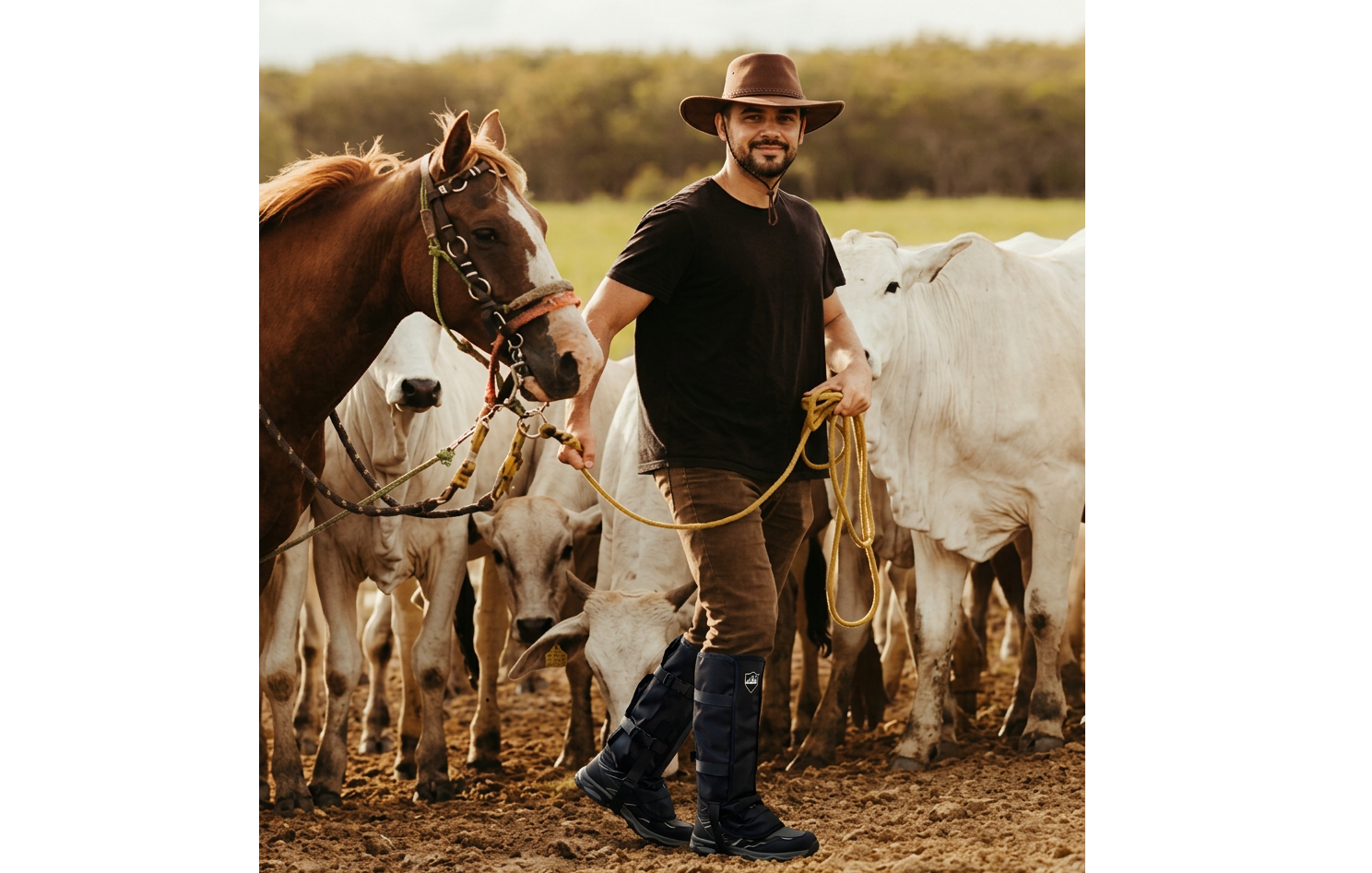
Snake gaiters for yard work are worth considering when you want additional lower-leg coverage for outdoor tasks in areas where venomous snakes occur. But choosing equipment is only part of the preparation. Planning access, checking your clothing, and understanding what your gear leaves uncovered matter just as much.
This guide focuses on garden cleanup, fence-line maintenance, and everyday jobs around a property. You will find a practical way to prepare, check your setup, and decide when a task needs a different approach.
Start With the Job, Not the Equipment
Watering a raised bed from a clear path is a different task from clearing a neglected corner behind a shed. Before getting dressed for the job, identify where you will work, how you will get there, and what you will need to move.
Use three questions to organize your plan:
- Access: Can you reach the work area along an existing clear route?
- Visibility: Can you see the ground and the items you intend to handle?
- Scope: Is this a routine gardening task, or a larger cleanup that needs professional help?
Do not treat putting on gaiters as the answer to every difficult area. If the job involves conditions you cannot assess comfortably, change the plan before starting.
For example, divide a weekend cleanup into separate jobs: maintaining the accessible beds, organizing equipment in an open area, and arranging help for a heavily overgrown section. Each job may call for different tools and clothing.
Understand What Snake Gaiters Can and Cannot Cover
Snake gaiters are intended to provide a protective layer around specified parts of the lower leg. The actual coverage depends on the model, its dimensions, and how it fits over your pants and footwear.
Check the manufacturer’s description rather than assuming that every visible fabric panel offers the same protection. Look at the closure area and where the gaiter meets the boot, as well as its overall height.
Lower-leg equipment does not protect your hands when you reach down, and it does not automatically protect your knees or thighs when you crouch. Exposed parts of your footwear also need separate consideration.
Ordinary gardening gaiters and lightweight trail gaiters should not be assumed to offer snake protection. Choose equipment for its stated purpose and supporting product information, not simply because it looks rugged.
If you are still comparing models, our guide to how to choose snake gaiters explains the main buying considerations.
Check Your Setup Before Leaving the House
Use a clean, open area to put on your equipment and check it before starting work. Wear the pants and boots you actually plan to use; a fit checked over thin clothing may feel different over thicker work pants.
Check the fit while moving
Follow the manufacturer’s fitting instructions, then walk, bend your knees, and sit down. Check whether the gaiters slide, rotate, or press into your legs.
You should be able to complete those movements without repeatedly repositioning the equipment. If the fit is uncomfortable or the closures cannot fasten correctly, resolve that problem before continuing.
Inspect the closures and protective sections
Look for damaged stitching, loose components, worn straps, or visible damage to the protective structure. Follow the manufacturer’s guidance on replacement and repairs. Do not assume that a homemade patch restores the original performance.
Consider the rest of the task
Plan your footwear, gloves, and other equipment together. For work with powered tools, follow the tool manufacturer’s clothing and protective-equipment instructions. Snake gaiters are not a substitute for chainsaw protection or other task-specific equipment.
Make Garden Cleanup Easier to Manage
A little organization can make the job less awkward. Decide where tools, containers, and collected material will go before you begin. Keep your working route available so that each trip does not require a new detour.
For fence-line work, start by identifying the section you can access from an established path. For garden-bed maintenance, place the tools you need nearby rather than carrying everything at once. For a larger cleanup, decide in advance which parts you will leave to a qualified service.
These choices do not establish that an area is free of snakes. Their purpose is to make the task more deliberate and reduce the temptation to improvise when your hands are full or the job takes longer than expected.
Keep basic precautions in place throughout the work. The CDC’s guidance for outdoor workers advises wearing boots and long pants, using leather gloves when handling brush and debris, and avoiding tall grass, leaf piles, and potential hiding places when possible. Gloves are not permission to handle a snake.
Reduce Hiding Places Around the Property
Equipment deals with what you wear. Property maintenance addresses the setting where you work.
The University of Georgia Extension’s guidance on reducing snakes around the home recommends removing brush and debris, addressing gaps around the home, and managing rodent problems that can provide a food source.
Use those ideas to create an ongoing maintenance plan rather than allowing neglected areas to become a major cleanup project. If an existing pile or overgrown area is difficult to assess, seek appropriate help before disturbing it.
For advice about species in your area and local wildlife services, consult your state wildlife agency or county Extension office. A general article cannot determine which snakes are present on your particular property.
If You See a Snake, Pause the Task
Stop working nearby and give the snake space. Do not try to touch, catch, or handle it. Keep children and pets away, and contact an appropriate local wildlife service if you need assistance.
Wearing protective equipment does not make approaching a snake safe.
If someone is bitten: seek emergency medical attention immediately. Do not wait for symptoms or drive yourself to the hospital. Follow emergency responders’ instructions.
A Short Checklist for Your Next Yard-Work Session
- Define the task and choose a clear access route.
- Decide whether any part of the job needs professional help.
- Check your boots, clothing, and task-specific equipment.
- Fit and inspect your gaiters according to the manufacturer’s instructions.
- Confirm that you can walk, bend, and sit comfortably.
- Keep your phone accessible and know when to stop the task.
Choosing snake gaiters for yard work should be a deliberate equipment decision, based on coverage, fit, and documented limitations. No gaiter can guarantee protection from every bite or replace careful behavior.
If lower-leg coverage is part of your setup, explore AVENTURIX Snake Gaiters. Review the product information and follow the Amazon link to check the current listing before purchasing.