
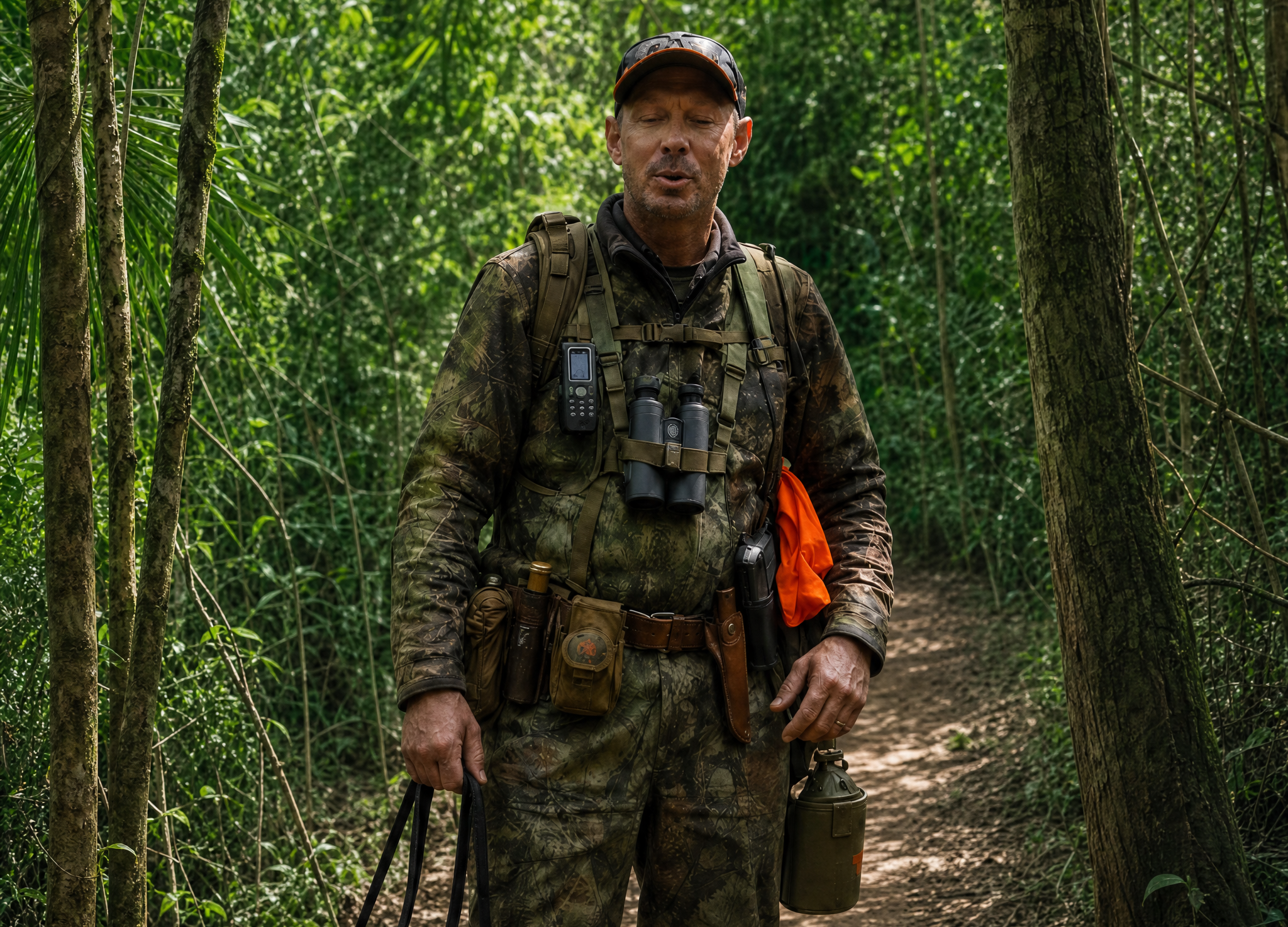
Hunting rarely keeps you on a clean, predictable trail. Before sunrise, you may cross wet grass, briars, loose rock, fallen timber, or dense vegetation where seeing every step is difficult. Snake gaiters for hunting add a protective layer around the lower legs while allowing you to keep using your preferred hunting boots.
The right pair should do more than look rugged. It should provide understandable coverage, fit securely over your clothing and boots, and remain comfortable while you walk, climb, kneel, or wait in position. This guide explains what hunters should consider before taking snake gaiters into the field.
Why Hunters Consider Snake Gaiters
Hunters often enter the places where snakes may be difficult to notice: tall grass, brush piles, rocky edges, creek banks, timber, and areas covered by fallen leaves. Low light before dawn or near dusk can make foot placement even harder to judge.
Snake gaiters are worn over the lower legs and boots to add coverage in these conditions. They do not replace awareness, suitable footwear, or safe behavior. Their role is to become one part of a broader field-safety routine.
They can also provide a practical barrier against ordinary hunting-day problems such as briars, mud, wet vegetation, and trail debris, depending on the materials and construction of the particular model.
Start With Coverage You Can Understand
Do not judge coverage from the front view alone. Examine how the gaiter wraps around the calf and shin, where the closure sits, and how its lower edge meets your boot.
Before buying, look for clear answers to these questions:
- How high does the gaiter reach on the lower leg?
- Does its protective construction extend around the sides and back?
- Are any sections or gaps specifically excluded from protection?
- How does the lower section overlap the boot?
- Which parts of the foot, knee, and upper leg remain uncovered?
A gaiter may cover the shin and calf without protecting the entire foot or the area above the knee. Understanding those boundaries is more useful than assuming that a tall product covers everything nearby.
Fit Snake Gaiters With Your Hunting Boots
Your everyday hunting setup determines whether a pair fits properly. Measurements should account for the pants, base layers, and boots you expect to wear in the field.
After following the manufacturer’s fitting instructions, test the gaiters indoors with your complete setup:
- Walk at your normal pace and take several longer steps.
- Step onto a low, stable surface as if crossing uneven ground.
- Bend both knees and carefully move into a crouched position.
- Kneel as you normally would while preparing or waiting for a shot.
- Check whether either gaiter rotates, slides, pinches, or interferes with your boots.
- Recheck every buckle, hook, and under-boot attachment.
The gaiters should remain secure without needing to be tightened to the point of discomfort. Numbness, pinching, restricted movement, or repeated slipping are signs that the fit or adjustment needs attention.
If you need more help evaluating size, coverage, and construction, read our practical guide to choosing snake gaiters.
Check Movement Before a Long Hunt
A pair that feels acceptable for five minutes may become distracting after several hours. Hunters should consider more than straight-line walking.
Think about the movements your hunt may require: climbing an incline, stepping over timber, moving through brush, crouching behind cover, kneeling, or sitting for an extended period. Stiffness around the ankle or pressure behind the knee can become more noticeable as the day continues.
Quiet movement may also matter. Check whether straps are secured and whether loose components can catch on vegetation or strike against other equipment. This should be part of your pre-hunt inspection rather than something you discover after entering the field.
Look for Specific Evidence, Not Absolute Promises
Terms such as “tough,” “protective,” and “snake proof” can sound reassuring, but they do not explain how a product has been evaluated. Look for specific materials, test information, instructions, and limitations.
AVENTURIX Snake Gaiters use a 1680D ballistic nylon outer shell with a PU coating and a protective inner layer. Product information states that the construction was tested by SGS using the ASTM F1342 puncture-resistance test method.
Testing provides useful evidence about material performance under defined conditions. It should not be interpreted as a guarantee that every possible strike, angle, species, fang, fit, or field situation will produce the same result. No protective equipment makes a hunter invulnerable or removes the need for caution.
Snake Gaiters, Snake Boots, or Snake Chaps?
These products do not offer identical coverage or the same experience in the field.
Snake gaiters let you continue wearing compatible hunting boots and can be removed when they are no longer needed. Snake-protection boots combine footwear and lower-leg coverage in one product, but require you to commit to that particular boot. Snake chaps may extend higher up the leg, although the additional coverage can affect bulk, heat, and movement.
The most suitable option depends on the terrain, expected exposure, weather, length of the hunt, and the areas of the leg you want covered. A future comparison should examine those trade-offs in detail rather than assuming one option is always best.
Use a Simple Pre-Hunt Check
Inspect your gaiters each time you prepare to use them. A quick check is more useful than discovering damaged equipment in the field.
- Look for cuts, punctures, worn areas, loose stitching, or damaged edges.
- Check every buckle, strap, hook, and closure.
- Make sure the gaiters are fitted to the correct legs and orientation.
- Confirm that the boot-lace hooks and under-boot straps are positioned as instructed.
- Secure loose strap ends so they are less likely to catch on brush.
- Walk and crouch once more before leaving your vehicle or camp.
If any protective component is damaged, stop using the product until you have followed the manufacturer’s guidance. Do not assume that a repair made for appearance restores its original protective performance.
Field Awareness Still Comes First
Snake gaiters should support careful behavior, not encourage complacency. Watch where you step and place your hands, especially near rocks, logs, fences, brush piles, and tall grass. Use a light when visibility is poor, and never approach or attempt to handle a snake.
The Texas Parks and Wildlife Department’s hunter-education guidance on snakes recommends leaving snakes alone rather than trying to kill or handle them. Hunters should also review the wildlife and emergency guidance for their particular destination before setting out.
Clean, Dry, and Inspect Them Afterward
After the hunt, remove surface dirt and vegetation according to the care instructions supplied with the product. Allow the gaiters to dry completely before storing them, particularly after exposure to wet grass, mud, or light rain.
Use the cleaning process as another opportunity to inspect the fabric, seams, straps, and closures. Store the gaiters together in a clean, dry place so they are ready for the next trip.
Choose Protection That Works With Your Hunt
Useful hunting equipment should fit the terrain, your footwear, and the way you move. For snake gaiters, that means understandable coverage, secure adjustment, practical mobility, and clear evidence behind the product’s claims.
If lower-leg gaiters suit your hunting setup, you can explore the features of AVENTURIX Snake Gaiters and follow the link to view current purchasing information on Amazon.
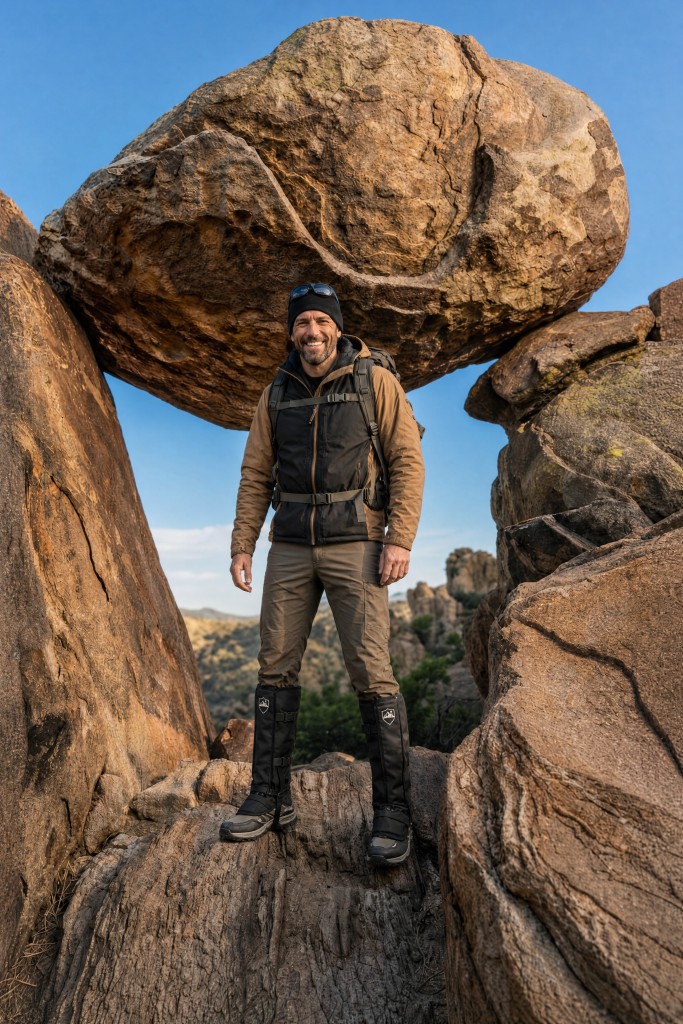
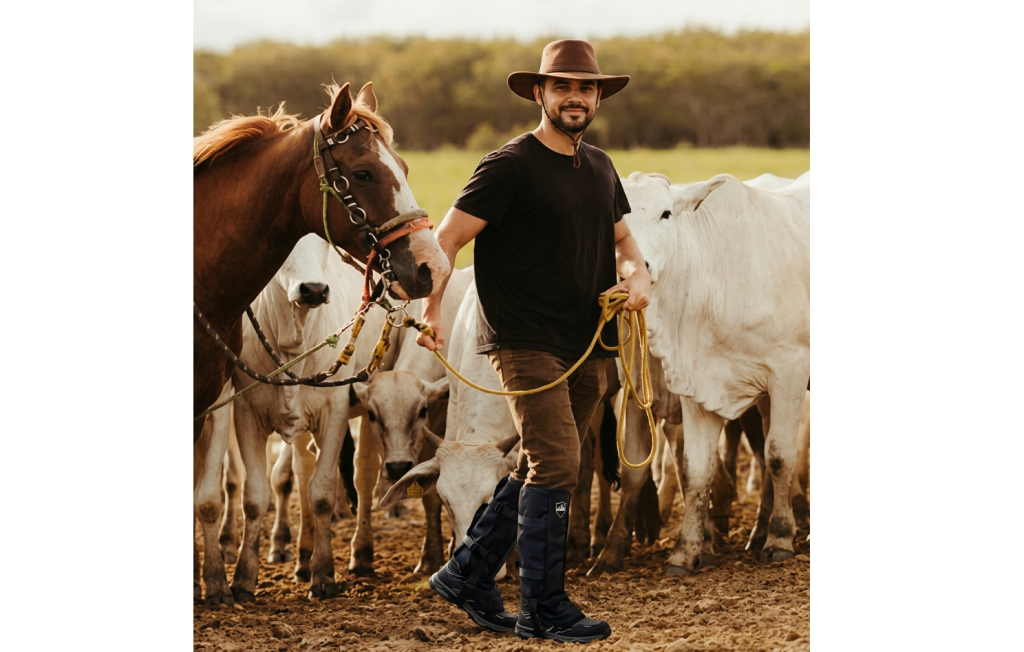
Love that the storage bag and emergency whistle are included.
Adjustable straps made it easy to get a snug fit.
Great fit over boots. Feels stable on trail even on uneven ground